
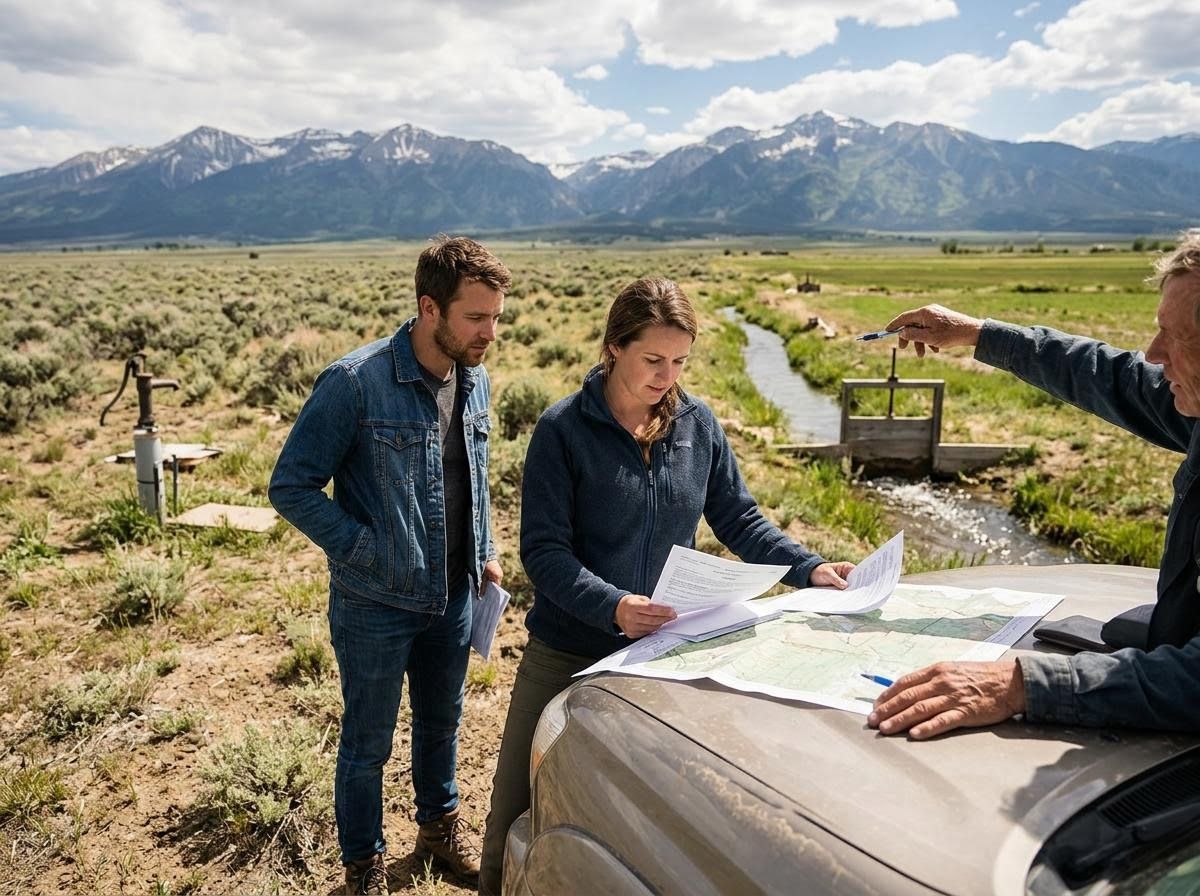
Buying land in Colorado offers incredible opportunities, but understanding the intricacies of water rights is paramount to a successful purchase. These rights are a fundamental aspect of property ownership in our arid state and can significantly impact a property's value and utility. At Great Plains Land Co. Colorado, we understand that navigating these complexities requires careful consideration. This guide will demystify Colorado's unique water laws, ensuring you’re well-equipped for your land buying journey.
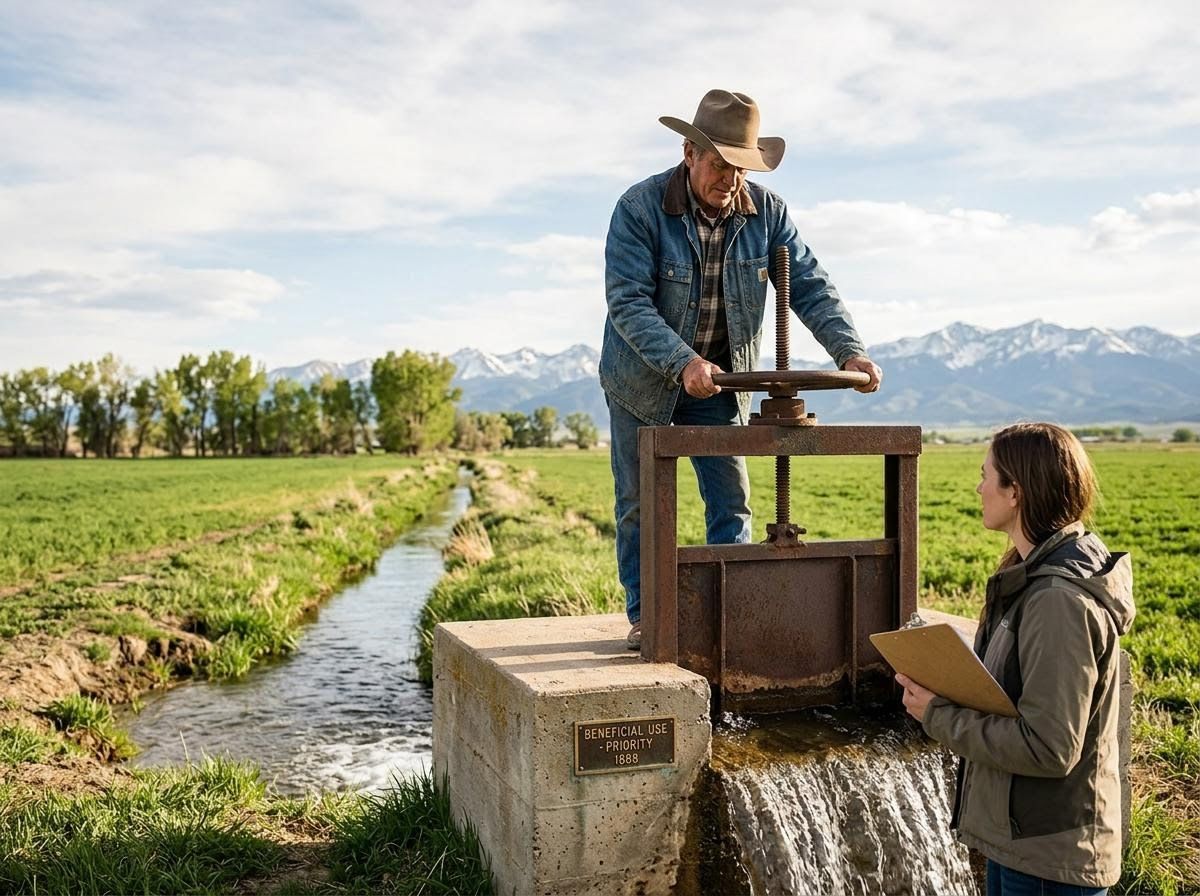
The Doctrine of Prior Appropriation: First in Time, First in Right
Colorado operates under the Doctrine of Prior Appropriation, a legal framework often summarized as "first in time, first in right." This means that the first person to divert water from a natural source and put it to beneficial use acquires a right to that water, senior to later users. Unlike riparian water rights, which grant water access to landowners whose property abuts a water source, prior appropriation rights are not tied to land ownership alone. Instead, they are specific entitlements to a certain quantity of water, from a specific source, for a specific beneficial use (like irrigation, domestic use, or industrial purposes), with a defined priority date. Older, or "senior," water rights holders are satisfied before newer, or "junior," rights holders during times of scarcity.
Types of Water Rights and Their Implications
Understanding the various types of water rights is crucial for any prospective land buyer. Most common types include:
Direct Flow Rights: These allow the holder to divert a specific amount of water directly from a stream or river for immediate beneficial use. They are typically tied to a specific location and purpose.
Storage Rights: These permit the collection and storage of water in a reservoir for later use, often during dry seasons. Storage rights also have a priority date and are adjudicated through the water court system.
Well Permits: For groundwater, most domestic wells in Colorado require a permit from the State Engineer's Office. While some "exempt" wells allow for limited domestic use without a full water right, larger water uses typically require an adjudicated water right, often tied to surface water, or a specific groundwater decree. The conditions and limitations of any well permit are critical to understand.
Augmentation Plans: In many areas, particularly along the Front Range and growing valleys, new water uses often require an augmentation plan. These plans ensure that any new depletions to a stream system are replaced, protecting senior water rights holders.
The presence, absence, or type of water right associated with a property directly influences its potential for agriculture, residential development, or other uses, making diligent investigation essential.
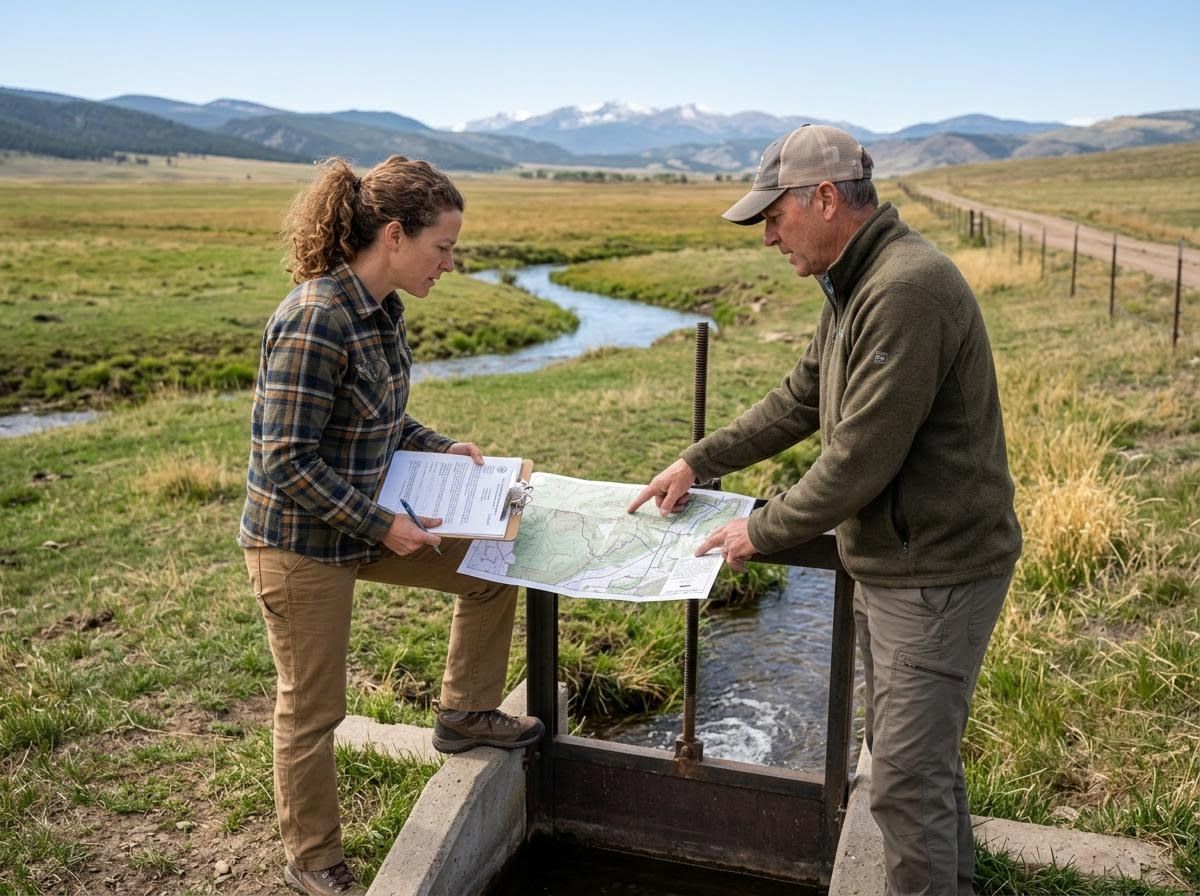
Essential Due Diligence for Land Buyers
When considering a land purchase in Colorado, thorough due diligence regarding water rights is non-negotiable. Begin by inquiring about any existing water rights, well permits, or augmentation plans associated with the property. Sellers should be able to provide documentation or direct you to where these records can be found. Key steps include:
Review Water Court Decrees: If the property has adjudicated water rights, examine the official water court decrees. These documents detail the priority date, source, amount, and permitted uses of the water.
Check Well Permits: For properties relying on well water, verify the existence and conditions of the well permit through the Colorado Division of Water Resources. Understand the allowed uses and flow rates.
Title Commitments: Water rights are often appurtenant to the land, meaning they "run with the land." However, they can also be severed and sold separately. A title commitment should reflect any recorded water rights or highlight potential issues.
Consult Experts: Given the complexity of Colorado water law, engaging a qualified water attorney, water consultant, or a real estate professional with specific expertise in water rights is highly recommended. These professionals can interpret legal documents, research historical water use, and identify any potential challenges.
Understanding Colorado's water rights is crucial for any land buyer, impacting everything from development potential to agricultural use. This complex system, rooted in the Doctrine of Prior Appropriation, ensures a fair allocation of a finite resource. By familiarizing yourself with these principles and conducting thorough due diligence, you can make informed decisions and secure a property that truly meets your needs and aspirations. Great Plains Land Co. Colorado is dedicated to guiding you through every step of this process. For a deeper dive into specific water rights questions related to your property search, we encourage you to explore our resources or connect with a local water law expert.