
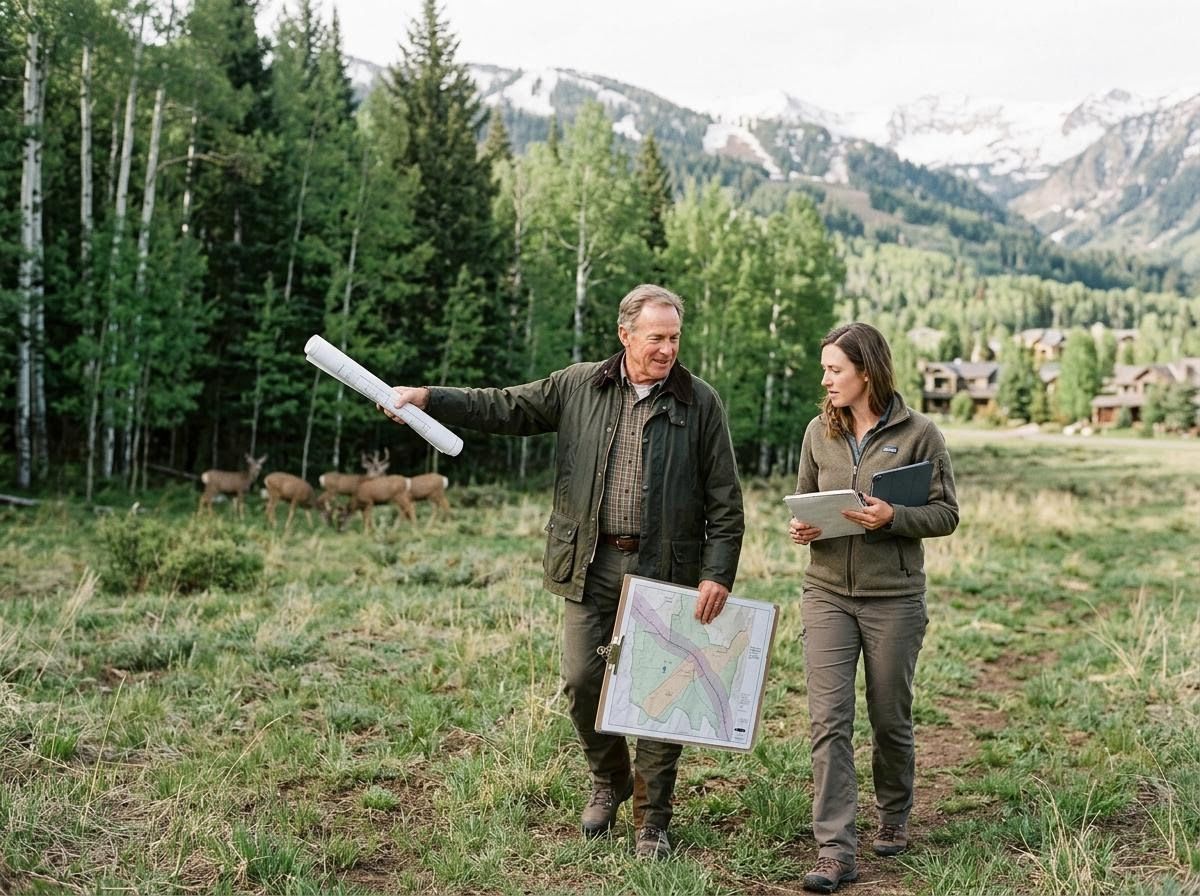
The landscapes of Aspen and Snowmass are renowned for their beauty, but beneath the surface of stunning vistas lies a complex interplay of development and conservation. For those looking to invest in property within this breathtaking region, understanding wildlife corridors and the associated building restrictions is paramount. At Great Plains Land Co. Colorado, we appreciate the balance required to preserve the natural splendor of vacant undeveloped land while facilitating responsible property ownership.
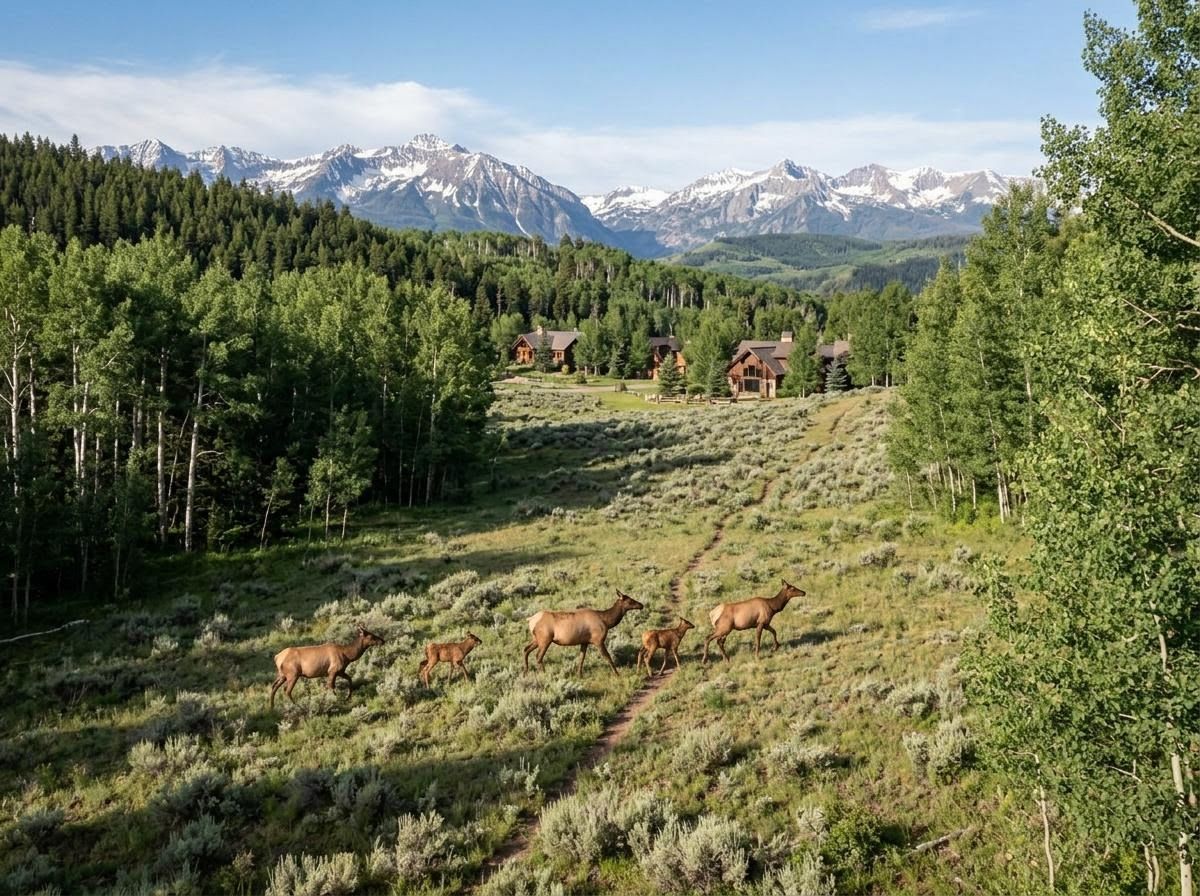
The Vital Role of Wildlife Corridors
Wildlife corridors are essential pathways that connect larger areas of wildlife habitat, allowing animals to move safely between foraging grounds, breeding sites, and seasonal ranges. In mountainous regions like Aspen and Snowmass, these corridors are particularly crucial for species such as elk, mule deer, and even larger predators like bears, enabling them to migrate, find food and water, and maintain genetic diversity. Without these protected routes, development can fragment habitats, leading to isolated animal populations, increased human-wildlife conflict, and a decline in overall ecosystem health.
Navigating Building Restrictions
To protect these vital corridors and the surrounding ecosystem, local authorities in Aspen and Snowmass have implemented a range of building restrictions. These regulations are not arbitrary; they are thoughtfully designed, often in collaboration with wildlife experts, to minimize human impact. Common restrictions include specific setbacks from known migration routes, limitations on outdoor lighting to prevent disruption of nocturnal animals, and sometimes seasonal moratoriums on construction during critical breeding or migration periods. Understanding the rationale behind these rules helps foster a more harmonious coexistence between human residents and the natural inhabitants.
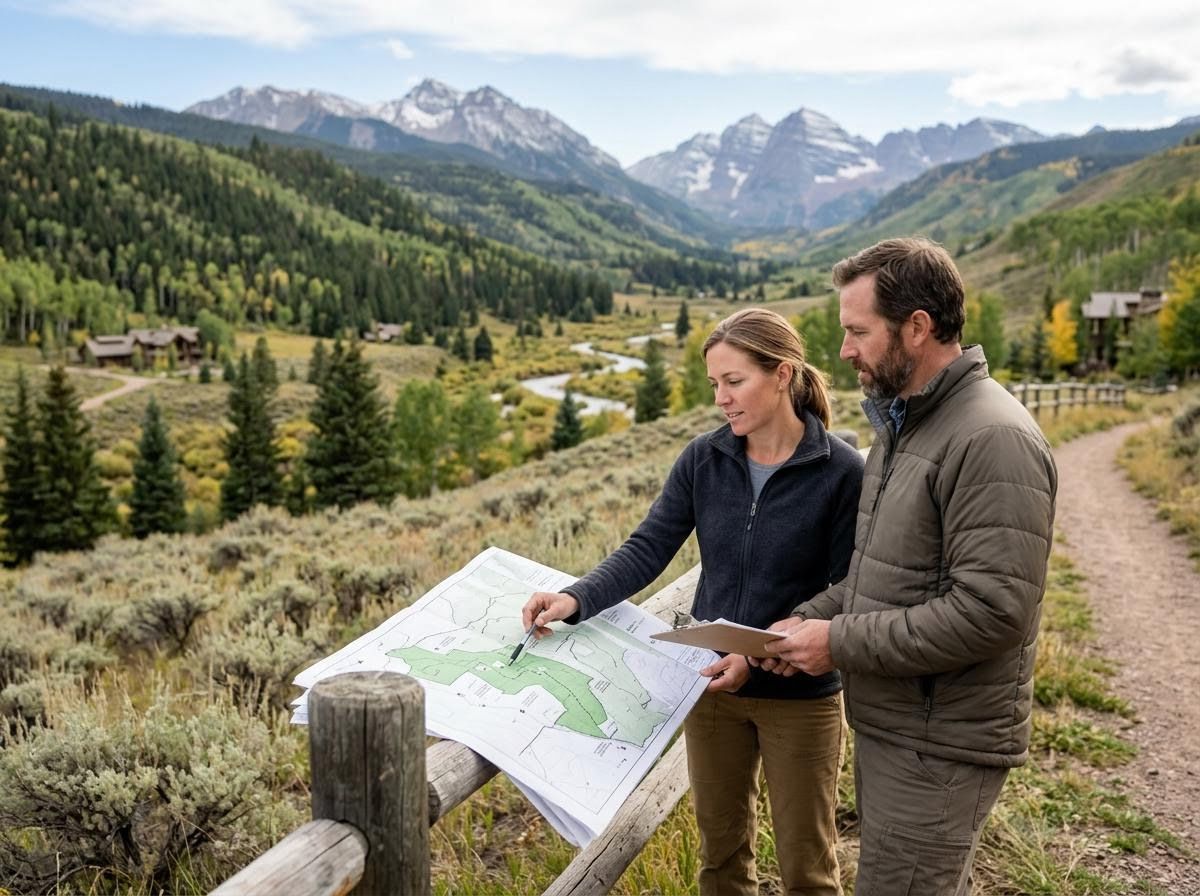
Crafting Your Vision within Ecological Guidelines
Successfully navigating the real estate landscape in Aspen/Snowmass with these considerations requires a proactive approach. Prospective buyers should always inquire about any existing conservation easements or overlay zones that might impact a property. For those planning to build, early engagement with local planning departments is crucial to understand permit requirements, design guidelines, and environmental review processes. This diligence ensures your vision aligns with the region's commitment to ecological stewardship, helping you create a property that respects its natural surroundings.
The Advantage of Local Expertise
The intricate details of local zoning ordinances and environmental regulations can be daunting. From understanding specific mapping of wildlife migration patterns to interpreting setback requirements and identifying suitable building envelopes, local knowledge becomes an invaluable asset. A professional with deep roots in the community can provide insights into specific parcel limitations, guide you through the permitting labyrinth, and connect you with trusted resources, ultimately saving time and avoiding potential pitfalls while ensuring your property journey is enjoyable and well-informed.
Preserving the unique ecological character of Aspen/Snowmass is a shared responsibility, and understanding wildlife corridors and building restrictions is key to being a responsible steward of this exceptional land. These regulations, while sometimes complex, are vital for ensuring that the natural beauty and vibrant wildlife continue to thrive for generations to come. If you're considering a property in this remarkable region and want to ensure a smooth, informed journey, explore how Great Plains Land Co. Colorado can guide you through the nuances of property acquisition and development.